
Description
Is It Safe to Buy Verified RedotPay Account? Risks, Legality & Safer Alternatives
The idea of buy verified RedotPay account has become increasingly common in online discussions, especially among users looking for faster access to digital payment services without going through lengthy identity verification processes. In a world where fintech platforms are expanding quickly and KYC (Know Your Customer) requirements are becoming stricter, some users search for shortcuts to bypass delays or restrictions.
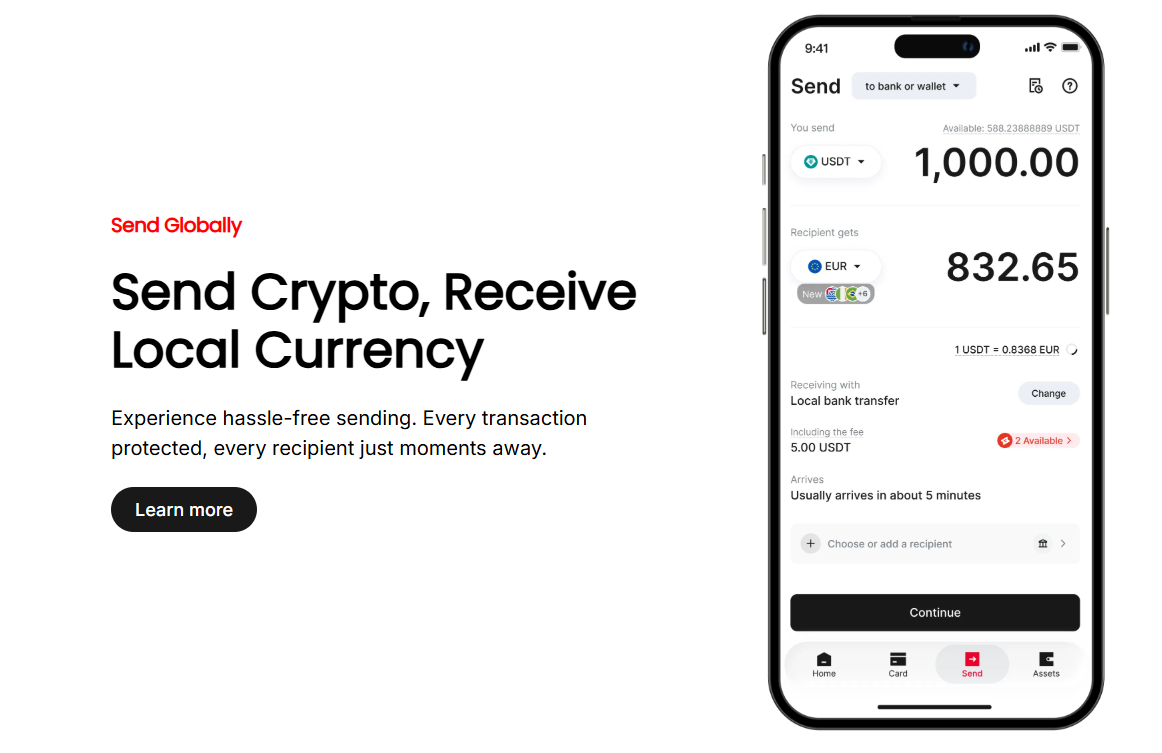
However, when it comes to financial platforms like RedotPay, the question is not just whether such accounts can be purchased—but whether doing so is actually safe, legal, or sustainable in the long run. Verified accounts are directly tied to personal identity, financial compliance systems, and anti-fraud monitoring frameworks. This means ownership is not just a technical matter; it is deeply connected to legal identity verification and platform trust systems.
Because of this, the practice of attempting to buy or sell verified accounts carries significant risks. These risks can include account suspension, loss of funds, identity mismatches, and potential violations of platform policies. Many users only realize these consequences after they have already lost access to their account or funds.
At the same time, there is also confusion in the market. Some third-party sellers promote “fully verified RedotPay accounts” as a quick solution for instant access. These offers often appear attractive to users who want to avoid documentation requirements or speed up onboarding. But behind this convenience lies a complex set of risks involving fraud, compliance violations, and account recovery issues.
Buy Verified Skrill Accounts
This article takes a deep, practical look at whether it is safe to buy a verified RedotPay account. It breaks down how verification systems work, why these accounts are restricted to original users, what risks are involved in purchasing them, and what safer, legitimate alternatives exist. By the end, you will have a clear understanding of the real implications—beyond the marketing claims or online marketplace listings.
What Does a Verified RedotPay Account Mean?
To understand whether it is safe to buy a verified RedotPay account, you first need to clearly understand what “verified” actually means inside a platform like RedotPay.
A verified account is not just a regular signup with extra features. It is an account that has successfully passed identity verification (commonly known as KYC – Know Your Customer). This process is designed to confirm that the person using the account is a real, identifiable individual or business.
Understanding KYC Verification in RedotPay
KYC verification typically involves submitting official documents such as:
- Government-issued ID (passport, national ID, or driver’s license)
- Proof of address (utility bill or bank statement)
- Sometimes a selfie or live verification check
In platforms like RedotPay, this process is used to:
- Prevent fraud and identity theft
- Comply with global financial regulations
- Reduce money laundering risks
- Secure user transactions
Once verification is completed, the account gains access to higher transaction limits and full platform functionality.
Why Verification Is Required in Fintech Platforms
Verification is not optional in most modern fintech and crypto payment systems. It is enforced due to strict international compliance laws such as AML (Anti-Money Laundering) and financial transparency rules.
For platforms like RedotPay, verification ensures:
- The real identity of the account holder is known
- Transactions can be traced if required by law
- Suspicious activity can be detected early
- Users are protected from unauthorized access
Without this layer of trust, digital payment systems would be highly vulnerable to abuse.
What a “Verified Account” Actually Includes
A verified account is often misunderstood as just a “fully unlocked” profile, but it actually represents a legally bound identity inside the system.
Typically, a verified RedotPay account includes:
- Confirmed user identity linked to official documents
- Higher withdrawal and transaction limits
- Access to full wallet and payment features
- Eligibility for cross-border transactions (depending on region)
- Increased account trust score within the system
In simple terms, a verified account is not just an upgrade—it is a regulated financial identity tied to one specific person.
At this point, it becomes easier to understand why buying or selling such accounts introduces serious risks, which we will explore in the next section.
Can You Buy a Verified RedotPay Account?
In theory, you may come across online listings claiming that you can “buy verified RedotPay accounts instantly.” These offers usually appear on social media groups, private marketplaces, or unofficial reseller websites. However, when you look at how platforms like RedotPay are structured, the reality is very different from what these sellers advertise.
A verified account is permanently linked to a real individual’s identity. That connection is created through KYC checks and compliance verification systems. Because of this, transferring ownership is not officially supported and is generally considered a violation of platform rules.
How These Accounts Are Usually Offered Online
Most “verified account” sellers operate in informal or unregulated spaces. The common methods include:
- Selling accounts created with someone else’s identity
- Reusing or reselling previously verified accounts
- Offering “pre-verified” accounts with limited or fake credentials
- Advertising accounts that may later be reclaimed by the original owner
While these listings may look professional, they often lack transparency about how the account was verified or who the original identity belongs to.
Why Third-Party Sellers Exist in This Market
The demand for fast onboarding and instant access to financial platforms has created a secondary market for pre-verified accounts. Users are usually attracted by:
- Avoiding long KYC verification processes
- Bypassing document rejection issues
- Immediate access to transaction features
- Privacy concerns related to identity submission
However, this demand also attracts opportunistic sellers who take advantage of users seeking shortcuts. In most cases, there is no official backing or guarantee behind these accounts.
Platform Rules and Restrictions
Platforms like RedotPay generally enforce strict rules around account ownership. These typically include:
- One account per verified identity
- No transfer or sale of accounts
- Mandatory identity consistency during login and transactions
- Monitoring for unusual access behavior or location changes
If a system detects that an account is being used by someone other than the original verified user, it may trigger security checks, temporary suspension, or full account freeze.
Is It Safe to Buy a Verified RedotPay Account? (Core Risk Analysis)
The short answer is no—buying a verified account for platforms like RedotPay is not considered safe from a security, financial, or compliance standpoint. While sellers often present it as a shortcut to avoid KYC or access features faster, the underlying structure of verified accounts makes them inherently risky when transferred to a new user.
To understand the real danger, it is important to break down the risks beyond surface-level assumptions.
Security Risks of Account Ownership Transfer
A verified account is tightly bound to the original user’s identity, device history, and behavioral patterns. When ownership changes, the system may detect inconsistencies such as:
- Login from unfamiliar locations or devices
- Sudden changes in transaction behavior
- Mismatch between identity data and usage patterns
Platforms like RedotPay use layered security systems to protect users. These systems are designed to flag unusual activity, and transferred accounts often trigger automated risk controls.
This can lead to:
- Temporary account restrictions
- Security verification requests
- Full account suspension
Even if the account works initially, it may not remain stable.
Identity Mismatch and Account Recovery Issues
One of the biggest hidden risks is identity mismatch.
If the account is still legally tied to the original verified user, they may still:
- Recover the account using original documents
- Request account restoration through support channels
- Trigger ownership disputes
In such cases, the buyer has no legal proof of ownership because the verification data does not belong to them.
This creates a situation where:
- The seller can reclaim the account
- The platform may lock the account for investigation
- The buyer loses access without compensation
This is one of the most common failure points in account marketplace scams.
Fraud, Scams, and Fake Seller Risks
Another major issue is that most marketplaces offering “verified accounts” are unregulated. This opens the door to multiple types of scams, such as:
- Selling the same account to multiple buyers
- Providing login details that stop working after payment
- Delivering accounts that are not actually verified
- Disappearing after receiving payment
Because transactions usually happen outside official platforms, there is no buyer protection or dispute resolution system.
In many cases, users only realize the fraud after losing both access and funds.
Financial Loss Scenarios
Beyond account loss, financial risks can escalate further. If funds are stored in a purchased account, possible outcomes include:
- Sudden freezing of wallet balance
- Inability to withdraw funds due to verification mismatch
- Reversal or blocking of transactions during compliance checks
- Permanent loss of stored assets
Since platforms like RedotPay are required to comply with financial regulations, they may freeze accounts without warning if ownership or identity concerns arise.
This makes holding significant funds in a purchased account especially dangerous.
Legal and Compliance Risks You Should Know
Beyond technical instability and scam risks, buying a verified account for platforms like RedotPay can also create serious legal and compliance issues. These risks are often overlooked because users focus only on access and convenience, not on how regulated financial systems actually operate.
Modern fintech platforms operate under strict global financial regulations, especially around identity verification and anti-money laundering (AML) controls. Verified accounts are a core part of this system, which is why transferring them can create compliance violations.
Violation of Terms of Service
Almost all regulated fintech platforms, including RedotPay, explicitly require that:
- Accounts must be used only by the verified individual
- Identity information must remain accurate and unchanged
- Account sharing, selling, or transferring is prohibited
When you buy a verified account, you are typically violating these core rules immediately.
This can result in:
- Permanent account termination
- Loss of access to funds
- Blacklisting of identity or device
- Denial of future service access
Even if the platform does not take immediate action, violations can be detected later through compliance audits or security reviews.
Potential Account Bans or Freezes
Regulated payment systems continuously monitor account behavior. If an account shows inconsistencies—such as a different user operating a verified identity—it may be flagged.
Common triggers include:
- Login from unusual locations or devices
- Sudden transaction pattern changes
- Mismatch between KYC data and user behavior
- Suspicious fund movements
Once flagged, platforms like RedotPay may:
- Freeze the account temporarily
- Request additional identity verification
- Permanently disable the account after investigation
This process is part of regulatory compliance and cannot typically be reversed without proper documentation.
AML (Anti-Money Laundering) Concerns
Financial platforms are legally required to enforce AML regulations. These rules are designed to prevent:
- Money laundering
- Terrorist financing
- Fraudulent transactions
- Identity misuse
A purchased verified account creates a major compliance red flag because:
- The identity on file does not match the real user
- Transaction responsibility becomes unclear
- Financial traceability is compromised
If such activity is detected, the account may be escalated for formal review, and in some cases, reported to compliance authorities depending on jurisdiction.
Identity Misuse Implications
One of the most serious risks is the use of someone else’s identity, knowingly or unknowingly. Even if a seller claims the account is “clean,” the verification data still belongs to another person.
This can lead to:
- Identity disputes between buyer, seller, and original owner
- Legal complications if fraud is suspected
- Account recovery claims by the original identity holder
- Permanent loss of funds without legal protection
Because verification is tied to real-world identity, ownership transfer is not just a platform issue—it can become a legal identity conflict.
How RedotPay Detects Suspicious or Bought Accounts
Modern fintech platforms like RedotPay don’t rely on a single check to verify users. Instead, they use layered security and behavioral monitoring systems designed to detect account misuse, including situations where a verified account may have been transferred or sold.
Even if a purchased account works initially, these detection systems can identify inconsistencies over time.
Device Fingerprinting Technology
One of the most important detection methods is device fingerprinting.
This system collects technical signals such as:
- Device type and model
- Operating system and browser version
- Screen resolution and hardware identifiers
- App installation patterns
When a verified account suddenly logs in from a completely different device profile than usual, platforms like RedotPay can flag the activity as suspicious.
This is especially common with bought accounts because the original owner’s device history does not match the new user’s environment.
IP Address and Location Consistency Checks
Another major security layer is IP and location tracking.
Systems monitor:
- Country and city of login attempts
- Frequency of location changes
- Use of VPNs or proxy networks
- Unusual cross-border access patterns
A verified account that suddenly shifts geographic behavior is often treated as a high-risk signal. For example, an account verified in one country but accessed frequently from another can trigger automated reviews.
Platforms like RedotPay use these checks to ensure that account usage aligns with the verified identity profile.
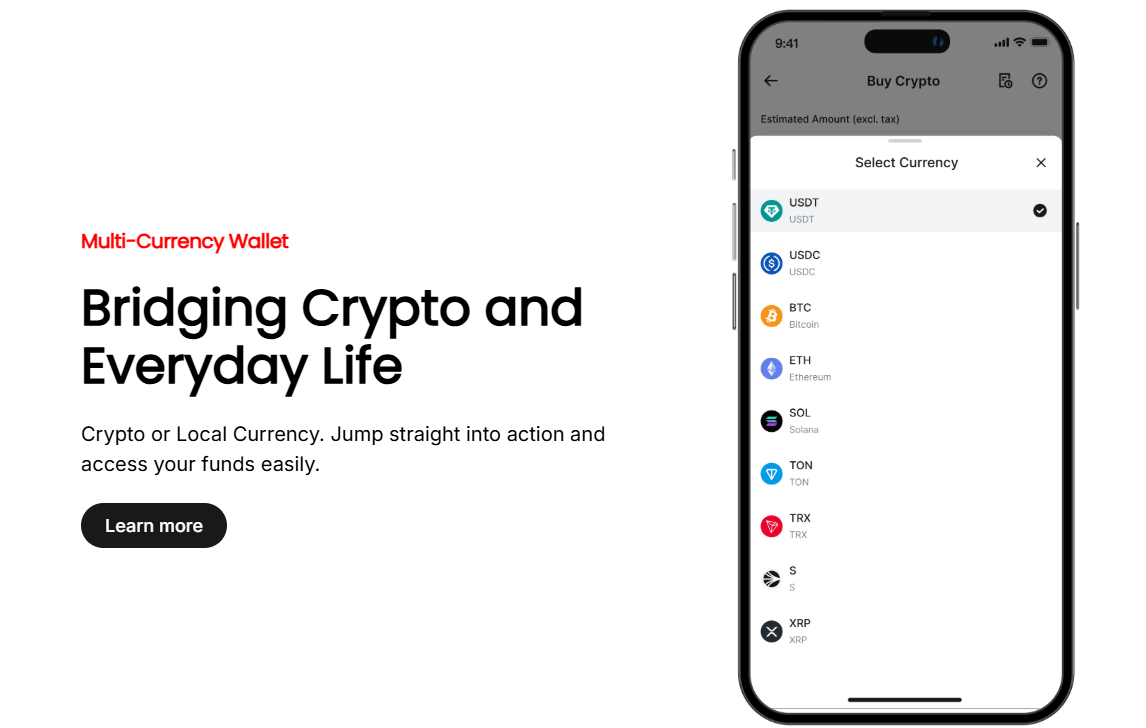
KYC Data Verification Systems
KYC data is not just stored—it is continuously validated against activity patterns.
This includes:
- Matching identity data with transaction behavior
- Checking consistency of personal details over time
- Verifying document authenticity and expiration status
- Cross-checking compliance databases when required
If an account is being used by someone other than the verified individual, inconsistencies often appear between behavior and identity data.
These mismatches are a strong indicator of account misuse.
Behavioral Monitoring Algorithms
Beyond technical signals, platforms like RedotPay also analyze user behavior patterns.
This includes:
- Transaction frequency and timing
- Typical spending or transfer amounts
- Login habits and session duration
- Interaction patterns within the app
A sudden shift in behavior—such as large transfers immediately after login or irregular activity cycles—can trigger automated fraud detection systems.
These systems are designed to learn what “normal behavior” looks like for each verified user and flag deviations.
Real Risks Users Face After Buying Verified Accounts
While the idea of using a pre-verified account for platforms like RedotPay may look convenient, the real-world outcomes are often unstable and financially damaging. Many users only understand the downside after they have already deposited funds or started using the account for transactions.
Below are the most common risks that users actually face in practice.
Sudden Account Suspension Without Warning
One of the most frequent outcomes is unexpected suspension.
This usually happens when internal monitoring systems detect:
- Identity inconsistencies
- Device or location mismatches
- Suspicious login patterns
- Ownership anomalies
Once flagged, accounts can be restricted immediately. In platforms like RedotPay, security enforcement is typically automated and strict, meaning users may lose access without prior notice.
Locked Funds and Withdrawal Restrictions
A particularly serious risk is when funds are already stored inside the account.
If the system detects irregular ownership or verification issues, it may:
- Freeze the wallet balance
- Block outgoing transactions
- Require additional identity verification that the buyer cannot complete
This creates a situation where money is technically still visible in the account but practically inaccessible.
For many users, this becomes the most damaging consequence of using a purchased verified account.
Seller Reclaim or Recovery Scams
Another major risk comes from the original account seller.
Since the account is still tied to the original verified identity, the seller may:
- Request recovery through official support channels
- Reset passwords using original verification documents
- Claim unauthorized access and regain control
In such cases, the buyer loses access instantly, even if they changed login credentials.
This is one of the most common scam patterns in informal account markets.
Long-Term Loss of Account Access
Even if an account remains active initially, long-term usage is rarely stable.
Over time, risks increase due to:
- System audits
- Compliance re-checks
- Behavioral pattern analysis
- Platform policy updates
Eventually, platforms like RedotPay may request re-verification or additional proof of identity. If the user cannot provide legitimate documents matching the original verification, access may be permanently lost.
Financial and Operational Disruption
Beyond account loss, there are wider consequences:
- Interrupted payment operations
- Delays in receiving or sending funds
- Loss of business credibility (for freelancers or merchants)
- Need to rebuild accounts from scratch
For users relying on digital payments for work or trading, even a temporary restriction can cause serious disruption.
Better and Safer Alternatives to Buying Verified Accounts
Instead of attempting to buy a verified account for platforms like RedotPay, there are several legitimate and far more stable alternatives that achieve the same goal—access to full features, higher limits, and global payment usability—without exposing you to legal or financial risk.
The key difference is simple: when you build or verify your own account, you maintain full ownership, compliance integrity, and long-term security.
Completing RedotPay KYC Legally
The most reliable option is to complete the standard verification process directly on the platform.
For RedotPay, this typically involves:
- Submitting valid government-issued identification
- Providing proof of address when required
- Completing facial or live verification checks
While this may feel time-consuming, it ensures:
- Full ownership rights
- Stable account access
- Protection from future compliance issues
- Eligibility for withdrawals and higher limits
Most verification processes are designed to be completed within a short time if documents are accurate and clear.
Fast Verification Tips (Legitimate Methods Only)
If users experience delays, the issue is usually not the system itself but incomplete or inconsistent submissions. Some safe ways to speed up approval include:
- Using high-quality, unedited document scans or photos
- Ensuring name consistency across documents
- Avoiding VPNs during verification
- Submitting correct residential information
- Following exact platform instructions
For platforms like RedotPay, consistency is one of the most important factors in reducing verification delays.
Using Alternative Regulated Fintech Platforms
If access to one platform is slow or restricted, users can also consider other legitimate fintech services that offer verified onboarding in similar ways.
Instead of bypassing verification, the safer approach is to:
- Choose platforms with faster KYC processing
- Compare verification requirements before signup
- Use services available in your region legally
This ensures compliance while still achieving the goal of digital payment access.
Building Trust for Faster Approvals
Fintech systems rely heavily on trust signals. Over time, users who consistently follow compliance rules often experience smoother verification processes.
Good practices include:
- Using the same identity across financial platforms
- Avoiding multiple suspicious account attempts
- Keeping documents updated and valid
- Maintaining consistent account activity patterns
In systems like RedotPay, trusted user behavior can contribute to faster reviews and fewer restrictions.
Expert Recommendations for Safe Account Usage
When dealing with regulated fintech platforms like RedotPay, the most important principle is simple: long-term access and financial safety depend on identity consistency and compliance. Any approach that separates the account from the real user identity introduces instability that usually gets worse over time.
Below are practical, compliance-focused recommendations that reflect how modern financial systems are actually designed to operate.
Why Ownership Transparency Matters
A verified account is essentially a regulated financial identity. That means it is not just a login profile—it is a compliance record tied to a real person.
In platforms like RedotPay, transparency matters because:
- Every transaction is linked to identity verification data
- Risk systems evaluate behavior against that identity profile
- Discrepancies can trigger automatic restrictions
When ownership is unclear or transferred, the system loses trust in the account’s legitimacy, which increases the likelihood of limitations or freezes.
Importance of Identity Consistency
Identity consistency is one of the strongest signals used in financial security systems.
To maintain stability, users should ensure:
- The same identity is used across all verification steps
- Documents match personal information exactly
- Login behavior aligns with expected user patterns
- No third-party access or shared usage occurs
For RedotPay, consistency is not just a preference—it is a core requirement for maintaining account integrity.
Long-Term Account Security Strategy
A sustainable approach to using fintech platforms is to think long-term rather than focusing on shortcuts.
Best practices include:
- Completing verification early and correctly
- Avoiding any form of account transfer or resale
- Using secure devices and private networks
- Monitoring account activity regularly
- Keeping recovery information updated
These habits reduce the likelihood of unexpected restrictions and ensure the account remains fully under user control.
Risk vs Convenience Mindset
Many users are drawn to “instant access” solutions, but in regulated financial systems, convenience often comes with hidden instability.
While a purchased verified account may seem faster initially, it:
- Breaks compliance alignment
- Introduces identity mismatch risks
- Removes legal ownership protection
- Creates long-term operational uncertainty
In contrast, building your own verified account ensures stability, even if the onboarding process requires more time upfront.
Frequently Asked Questions
Is it legal to buy a verified RedotPay accounts?
No. Buying or selling verified accounts for platforms like RedotPay usually violates terms of service and may also raise legal and compliance concerns depending on jurisdiction.
Can RedotPay detect if an account is purchased?
Yes. Platforms like RedotPay use device tracking, IP analysis, and behavioral monitoring to detect suspicious account usage.
What happens if I use someone else’s verified account?
The account may be restricted, frozen, or permanently banned if ownership mismatch is detected.
Are verified RedotPay accounts sold online real?
Some may work temporarily, but many are risky, reused, or linked to original owners who can reclaim them.
Why do people try to buy verified accounts?
Most users want to skip KYC delays, access faster onboarding, or avoid document submission requirements.
Can I lose money in a purchased verified account?
Yes. Funds can become locked if the account is flagged or if the original owner recovers the account.
Is KYC mandatory on RedotPay?
Yes. Platforms like RedotPay require KYC to comply with financial regulations and prevent fraud.
How long does RedotPay verification take?
In most cases, verification can take from a few minutes to a few days depending on document accuracy and system checks.
What are safer alternatives to buying verified accounts?
The safest option is completing your own KYC directly on RedotPay or using other legitimate regulated fintech platforms.
Can a blocked RedotPay account be recovered?
It depends on the reason for the block. If it is due to identity mismatch or policy violations, recovery is often difficult.
Conclusion
The idea of buying a verified RedotPay account may appear like a fast-track solution, but in reality, it introduces significant security, financial, and compliance risks. Platforms like RedotPay are built on strict identity verification systems, meaning account ownership is legally tied to the original verified user.
While third-party sellers promote convenience, the hidden costs include account suspension, frozen funds, identity disputes, and permanent loss of access. These risks make purchased accounts unstable and unsuitable for long-term use.
The safer and more sustainable approach is to complete verification through official channels. This ensures full ownership rights, compliance protection, and long-term account stability. In regulated financial systems, trust and identity consistency are not optional—they are the foundation of secure access.



Reviews
There are no reviews yet.