Policy Shifts in App Stores and E-Commerce Platforms: What Businesses Need to Know
App stores and e-commerce platforms are changing faster than many developers, sellers, and brands expected. Rules around payments, app distribution, seller identity, product listings, fulfillment, advertising, and customer safety are no longer just technical details. They now directly affect revenue, visibility, account health, and long-term business strategy.
Buy Google Play Console Account
For app developers, policy shifts can change how users pay, where apps can be distributed, and what fees apply. For e-commerce sellers, platform updates can affect verification, product ranking, fulfillment performance, creator partnerships, and the risk of suspension. For brands, the bigger message is clear: depending on one platform without a compliance and diversification strategy is becoming riskier.
Quick Answer: What Are Policy Shifts in App Stores and E-Commerce Platforms?
Policy shifts in app stores and e-commerce platforms are changes to the rules that control how developers, sellers, brands, and creators can operate on major digital platforms. These shifts may affect payments, commissions, app distribution, seller verification, product safety, advertising, fulfillment, customer communication, and compliance requirements.
The main drivers are stronger regulation, competition concerns, consumer protection rules, platform trust and safety priorities, and pressure from developers and sellers for more control. The European Union’s Digital Markets Act allows developers to inform users about alternative offers and distribute apps through alternative channels, while the Digital Services Act applies to online platforms, marketplaces, app stores, and other digital services with a focus on safer online environments and transparency.
Why Platform Policies Are Changing
Policy changes are not happening randomly. App stores and e-commerce platforms are responding to several major forces at once.
The first force is regulatory pressure. Governments are increasingly treating major digital platforms as critical market infrastructure, not just private businesses. Regulators want more competition, clearer pricing, safer products, stronger user rights, and better transparency.
The second force is developer and seller pressure. App developers have long challenged mandatory in-app payment systems and high commission structures. Marketplace sellers have also pushed back against rising fees, stricter account-health rules, delayed payouts, and fulfillment requirements.
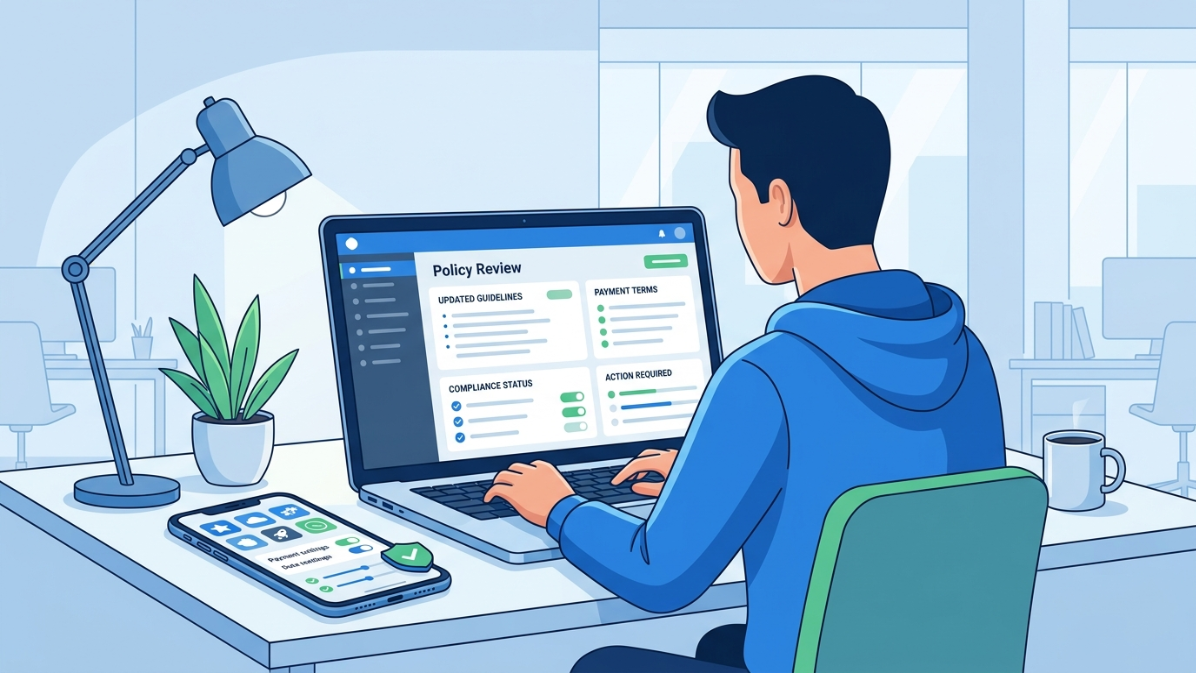
The third force is consumer protection. Online scams, unsafe products, misleading claims, fake reviews, unclear subscriptions, and poor customer support have made platforms more aggressive about identity checks, product compliance, listing accuracy, and enforcement.
The fourth force is platform risk management. Major platforms want to protect users, advertisers, regulators, and their own reputation. That means stricter review systems, better seller monitoring, more automated enforcement, and tighter rules for high-risk categories.
Key App Store Policy Shifts
1. Alternative App Distribution Is Becoming More Important
For years, app stores worked as tightly controlled ecosystems. Developers usually distributed apps through Apple’s App Store or Google Play, followed platform review rules, and used the required payment systems for many digital goods.
That model is now changing in some regions. The European Commission says the Digital Markets Act allows developers to inform users about better offers outside app stores and distribute apps through alternative app stores or directly from the web. It also notes that Apple and Alphabet were designated as gatekeepers for their app stores in September 2023.
Apple has also published developer guidance explaining EU-related changes to iOS, iPadOS, Safari, and the App Store. Apple says these changes create additional options for developers, including app distribution, payment processing, browser engines, interoperability requests, analytics, and user-data transfer, while also warning about privacy and security risks.
For developers, this creates both opportunity and complexity. Alternative distribution may reduce dependence on one app store, but it also introduces new responsibilities around trust, refunds, updates, security, and customer support.
2. App Billing and External Payment Rules Are Shifting
Payment policy is one of the biggest areas of change. Developers want more flexibility to use external checkout systems, link to websites, or offer cheaper subscriptions outside the app store environment.
Google Play announced expanded billing choice and lower separate fees, with a new billing choice program available to developers providing digital services or content to users in the UK, European Economic Area, and the United States. Google says developers can offer an alternative billing system or link users to their own websites for purchases alongside Google Play billing.
Google also announced U.S. policy changes in December 2025, including expanded alternative billing programs for eligible developers serving U.S. users and an external content links program for developers wanting to link users to external content.
For app businesses, this means billing strategy is no longer only a product decision. It is also a compliance, pricing, UX, tax, and customer support decision.
3. Anti-Steering Rules Are Under More Scrutiny
Anti-steering rules limit how developers can tell users about cheaper offers or external payment options. Regulators have focused heavily on whether these rules restrict competition.
In April 2025, the European Commission found that Apple breached its anti-steering obligation under the Digital Markets Act. The Commission said app developers should be able to inform customers free of charge about alternative offers outside the App Store, steer them to those offers, and allow purchases.
This matters because the ability to communicate pricing options can affect conversion rates, subscription margins, and customer retention. If developers can explain external offers more clearly, they may gain more control over customer relationships.
4. Privacy, Permission, and Data Access Rules Are Tightening
App policy shifts are not only about payments. Privacy and permissions are also getting stricter.
Google Play’s April 2026 policy announcement introduced a Contacts Permissions policy for broad access to users’ contacts. Google said apps that do not need broad access should use Android Contact Picker, which is designed to reduce data collection and improve user safety.
This is part of a broader trend: platforms are pushing developers to collect less data, justify sensitive permissions, and design safer user experiences. Apps that request unnecessary permissions may face review delays, reduced trust, or compliance issues.
Key E-Commerce Platform Policy Shifts
1. Seller Verification Is Becoming Standard
Online marketplaces are under pressure to verify who is selling products. This is especially important for high-volume third-party sellers, counterfeit goods, unsafe products, and fraud prevention.
The FTC explains that under the INFORM Consumers Act, online marketplaces must collect, verify, and disclose certain information from high-volume third-party sellers. Marketplaces must also provide a clear way for consumers to report suspicious activity and may need to suspend non-compliant sellers.
For sellers, this means business documentation, tax information, bank account details, contact information, and identity verification must stay accurate. A small mismatch can create account delays or suspension risk.
2. Product Listing Accuracy Is Under More Pressure
E-commerce platforms are becoming more aggressive about product claims, attributes, images, and category-specific compliance.
TikTok Shop, for example, published seller policy reminders asking outdoor lighting and fan sellers to review product descriptions, attributes, and promotional claims by a specific deadline, warning that sellers who fail to correct listings may face enforcement measures.
This reflects a broader marketplace trend. Platforms want listings to be accurate, especially in categories where safety, performance, materials, certifications, or consumer expectations matter. Sellers should avoid exaggerated claims, missing attributes, unclear warranties, and misleading images.
3. Fulfillment Metrics Are Becoming More Detailed
Fast shipping is no longer enough. Platforms are measuring fulfillment quality in more detailed ways.
TikTok Shop announced a Late Dispatch Rate calculation update effective June 15, 2026, stating that the new calculation would include orders shipped late beyond the service-level agreement and orders still unshipped beyond the SLA. TikTok also warned that a higher LDR can affect store health and may result in penalties.
For sellers, this means inventory accuracy, carrier scans, warehouse workflows, and order prioritization are now compliance issues. Poor fulfillment performance can reduce visibility, limit growth, or trigger penalties.
4. Creator Commerce and Affiliate Rules Are Tightening
Creator-led commerce is growing, but platforms are also adding more quality controls.
TikTok Shop’s U.S. policy update introduced changes to affiliate permissions and product quality thresholds. It also said affiliate product eligibility is evaluated using the Voice of Customer Index, with products above certain thresholds potentially becoming disqualified from affiliate eligibility.
TikTok Shop also introduced U.S. posting limits for shoppable content, allowing creators and merchants to post up to 30 shoppable short videos and up to 60 shoppable photo posts per day. The platform said these limits are intended to improve content quality and user experience.
For brands, this means affiliate growth must be balanced with product quality, customer feedback, content compliance, and creator-account health.
How These Policy Shifts Affect Businesses
The impact depends on the business model, but most companies will feel changes in at least one of these areas:
| Business Type | Main Risk | Main Opportunity |
|---|---|---|
| App developers | Confusing billing, distribution, and permission rules | More control over payments and user relationships |
| SaaS companies | Subscription pricing complexity | External checkout and direct customer ownership |
| Marketplace sellers | Verification, listing, fulfillment, and account health risk | Higher trust and stronger brand positioning |
| DTC brands | Platform dependency | Channel diversification and owned audience growth |
| Agencies | Clients may misunderstand compliance rules | Offer compliance audits and platform strategy |
| Creators | Content limits and affiliate restrictions | Better long-term trust and higher-quality partnerships |
The biggest lesson is that platform strategy must include policy monitoring. Businesses should not wait until an account warning, app rejection, product suppression, or payout delay forces action.
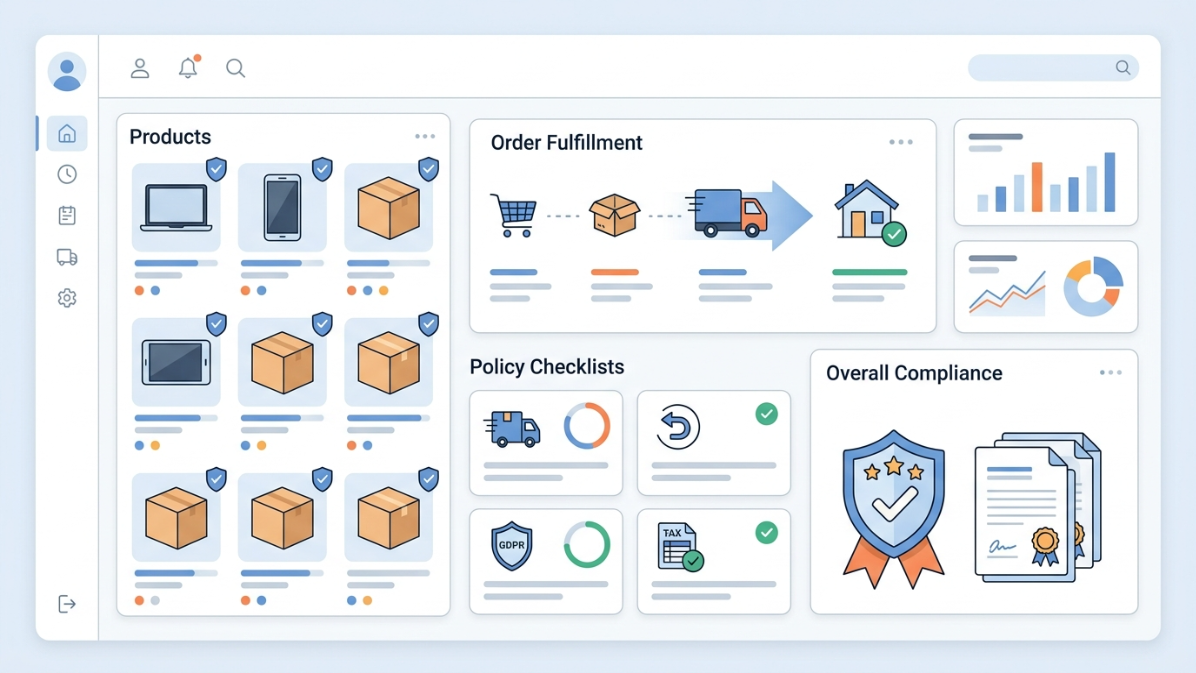
Strategic Response: How Businesses Should Adapt
1. Create a Platform Policy Calendar
Every app developer or marketplace seller should maintain a simple policy calendar. Track:
- App review guideline updates
- Payment and billing changes
- Seller verification deadlines
- Product category restrictions
- Fulfillment metric updates
- Advertising and affiliate policy changes
- Regional regulatory deadlines
This does not need to be complex. A spreadsheet with dates, affected platforms, required action, owner, and status is enough for many teams.
2. Audit Revenue Dependency
If most of your revenue comes from one app store or marketplace, policy risk is business risk.
Ask these questions:
- What percentage of revenue depends on one platform?
- What happens if the account is suspended for seven days?
- What happens if fees increase?
- Can customers buy directly from your website?
- Do you own your email list or customer relationship?
- Can you move inventory or subscriptions to another channel?
A healthy business should not rely entirely on one platform’s rules, algorithm, or payment system.
3. Update Pricing and Margin Models
Policy shifts often affect margins. New payment options, platform fees, shipping rules, return policies, or fulfillment requirements can change profitability.
Businesses should model:
- Platform commissions
- Payment processing fees
- Refund rates
- Subscription churn
- Logistics costs
- Advertising costs
- Compliance and documentation costs
A payment option that looks cheaper may become expensive if it increases support issues, tax complexity, or customer confusion.
4. Improve Documentation
Documentation is a competitive advantage. Keep records for:
- Seller identity and business registration
- Product certifications
- Supplier invoices
- Safety testing documents
- App permissions and data-use explanations
- Fulfillment scans and carrier records
- Customer support logs
- Policy appeals
When platforms ask for evidence, businesses that respond quickly and clearly are in a stronger position.
5. Strengthen Owned Channels
Policy shifts make owned channels more important. App developers and e-commerce sellers should build assets that are not fully controlled by a platform.
These may include:
- A strong website
- Email list
- SMS list where legally permitted
- Customer support database
- Brand search demand
- Direct checkout
- Organic content
- Community channels
- CRM data
Platforms can drive discovery, but owned channels protect long-term resilience.
Common Mistakes to Avoid
One common mistake is assuming that platform rules are the same in every country. They are not. A billing option available in the EU may not work the same way in the United States, Japan, South Korea, or another market.
Another mistake is treating compliance as only a legal task. In reality, compliance affects UX, pricing, logistics, product pages, customer support, marketing, analytics, and finance.
A third mistake is ignoring small policy updates. A minor change to fulfillment metrics, product attributes, or app permissions can become a major issue if it affects ranking, payout, app approval, or account health.
Businesses should also avoid copying competitors without checking official policy pages. Competitors may be non-compliant, outdated, or operating under different regional rules.
Expert Insight: Platform Policy Is Now a Growth Strategy
Policy awareness is no longer just risk management. It is part of growth strategy.
A developer who understands billing-choice rules can test pricing and improve margins. A seller who keeps product data accurate can avoid listing suppression. A brand that monitors fulfillment metrics can protect account health. An agency that understands platform governance can offer higher-value strategy instead of basic setup work.
The businesses that win will not be the ones that chase every policy loophole. They will be the ones that build flexible systems, maintain clean documentation, diversify channels, and adapt before enforcement happens.
Conclusion: Policy Shifts Are Reshaping Digital Commerce
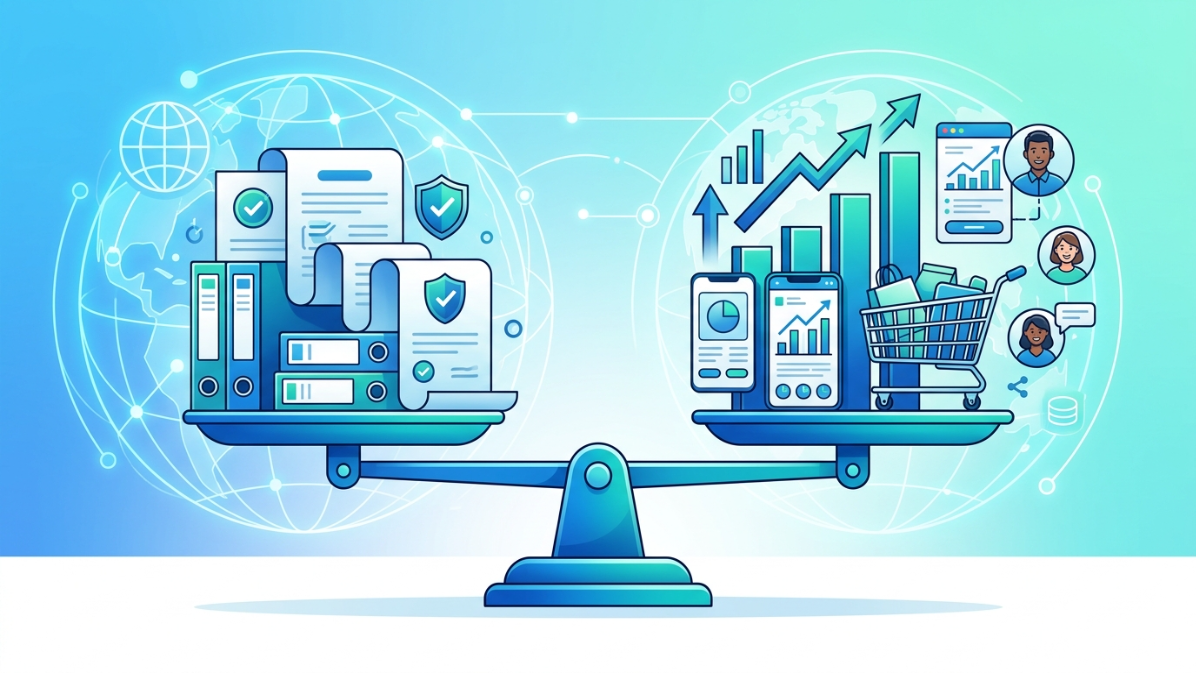
Policy shifts in app stores and e-commerce platforms are changing how digital businesses operate. App developers face new rules around distribution, billing, permissions, and user communication. Marketplace sellers face stricter requirements for identity verification, listing accuracy, fulfillment performance, product quality, and customer trust.
The shift is not only about compliance. It is about control. Businesses need more control over their customer relationships, pricing, documentation, and sales channels.
The safest strategy is to monitor official policy updates, review platform dependency, improve compliance systems, and build owned channels alongside app store or marketplace growth. Platforms will continue to change their rules, but businesses that prepare early can turn those changes into a competitive advantage.
If your business depends heavily on one app store or e-commerce marketplace, now is the right time to review your platform risk, update your compliance workflow, and build a more diversified digital revenue strategy.
FAQs
What are policy shifts in app stores and e-commerce platforms?
Policy shifts are changes to the rules that control how developers, sellers, creators, and brands can use major digital platforms. These changes may affect payments, app distribution, seller verification, product listings, fulfillment, advertising, and account health.
Why are app stores changing their policies?
App stores are changing because of regulatory pressure, developer complaints, competition concerns, privacy expectations, and user-safety requirements. Rules around alternative billing, external links, and app distribution are especially important in markets affected by digital competition laws.
How do app store policy changes affect developers?
They can affect revenue, payment processing, subscription strategy, app review, user communication, data permissions, and distribution options. Developers may gain more flexibility, but they also need to manage compliance and customer trust carefully.
How do e-commerce policy changes affect sellers?
E-commerce policy changes can affect seller verification, product visibility, fulfillment requirements, account health, return rules, affiliate eligibility, and listing compliance. Sellers who do not adapt may face suppressed listings, penalties, or account restrictions.
What is the Digital Markets Act?
The Digital Markets Act is an EU regulation focused on large digital gatekeepers. It affects areas such as app distribution, steering users to alternative offers, access to platform services, and competition in digital markets.
What is the Digital Services Act?
The Digital Services Act is an EU regulation designed to make online platforms, marketplaces, app stores, and other digital services safer and more transparent. It focuses on issues such as illegal content, platform accountability, advertising transparency, and user protection.
What should businesses do after a platform policy update?
Businesses should read the official update, identify affected products or apps, assign an internal owner, update workflows, document compliance actions, and monitor performance after the change. For complex legal or regulated issues, they should consult a qualified professional.